


PEAR
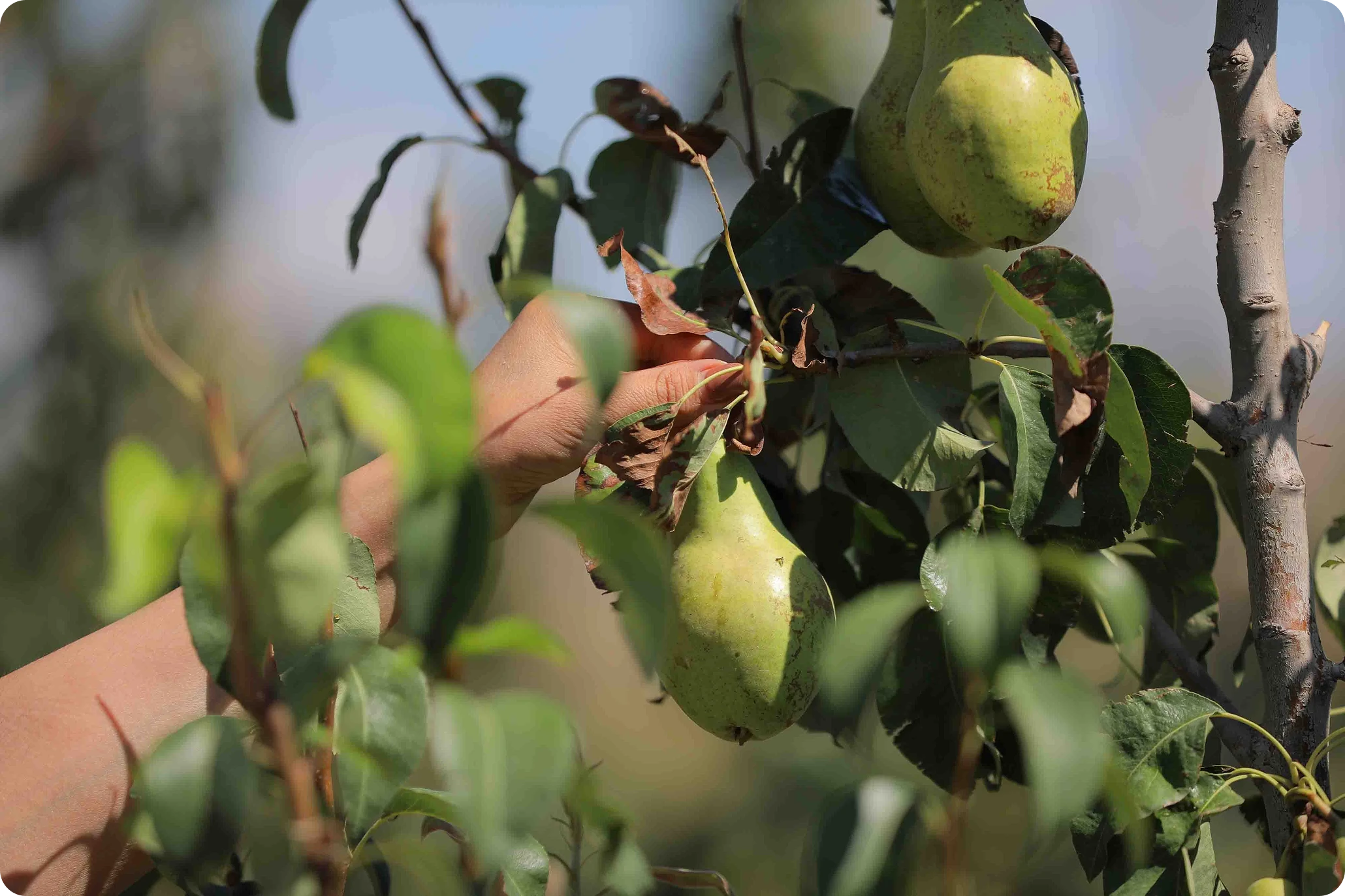
The pear is among the earliest fruits cultivated on Earth, with its origins tracing back to ancient Greece and Persia.
In Homer's Odyssey, the pear was considered a divine gift. The Greeks would offer pears as sacrifices to Aphrodite, the goddess of love, and Hera, the queen of the gods.
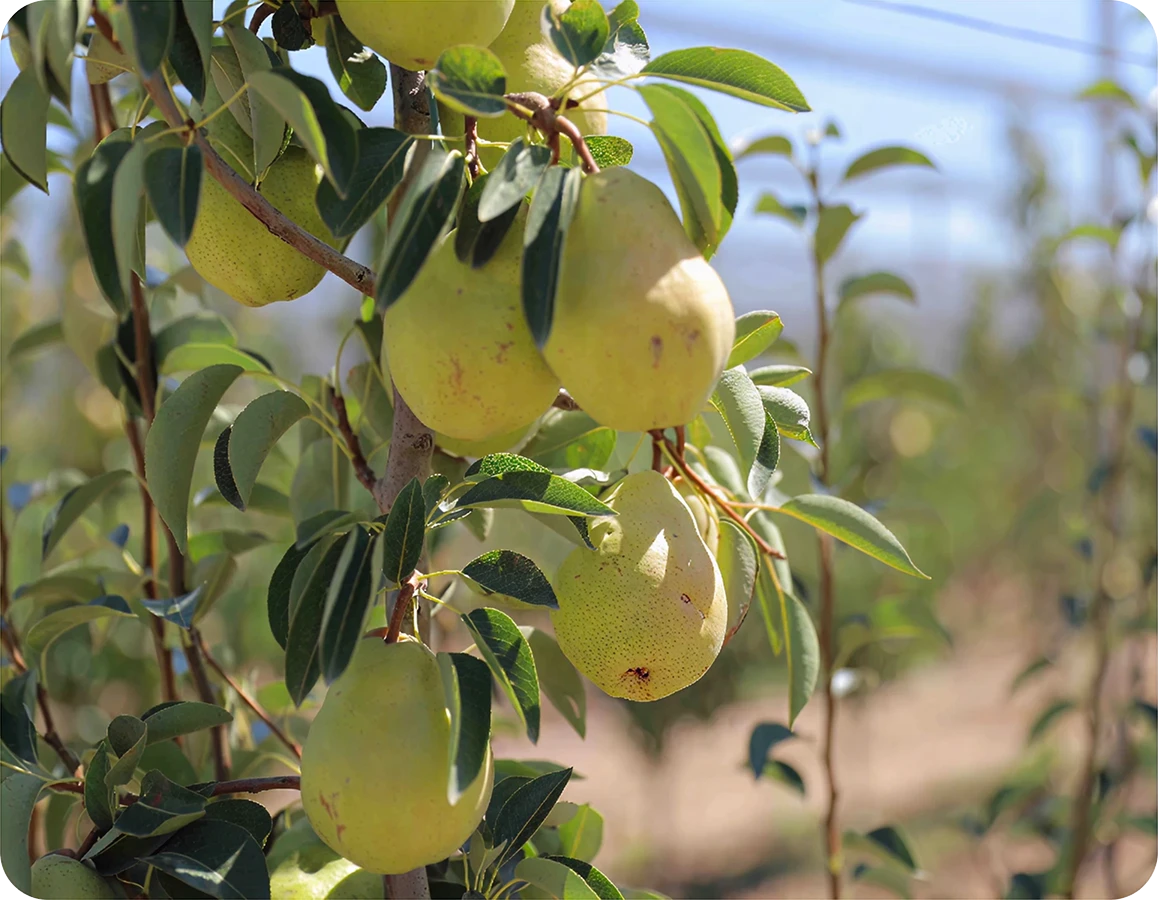
A 100g serving of pear offers:
120 mg of fat (primarily cholesterol-free)
9 mg of Calcium
119 mg of Potassium
7 mg of Magnesium
11 mg of Phosphorus
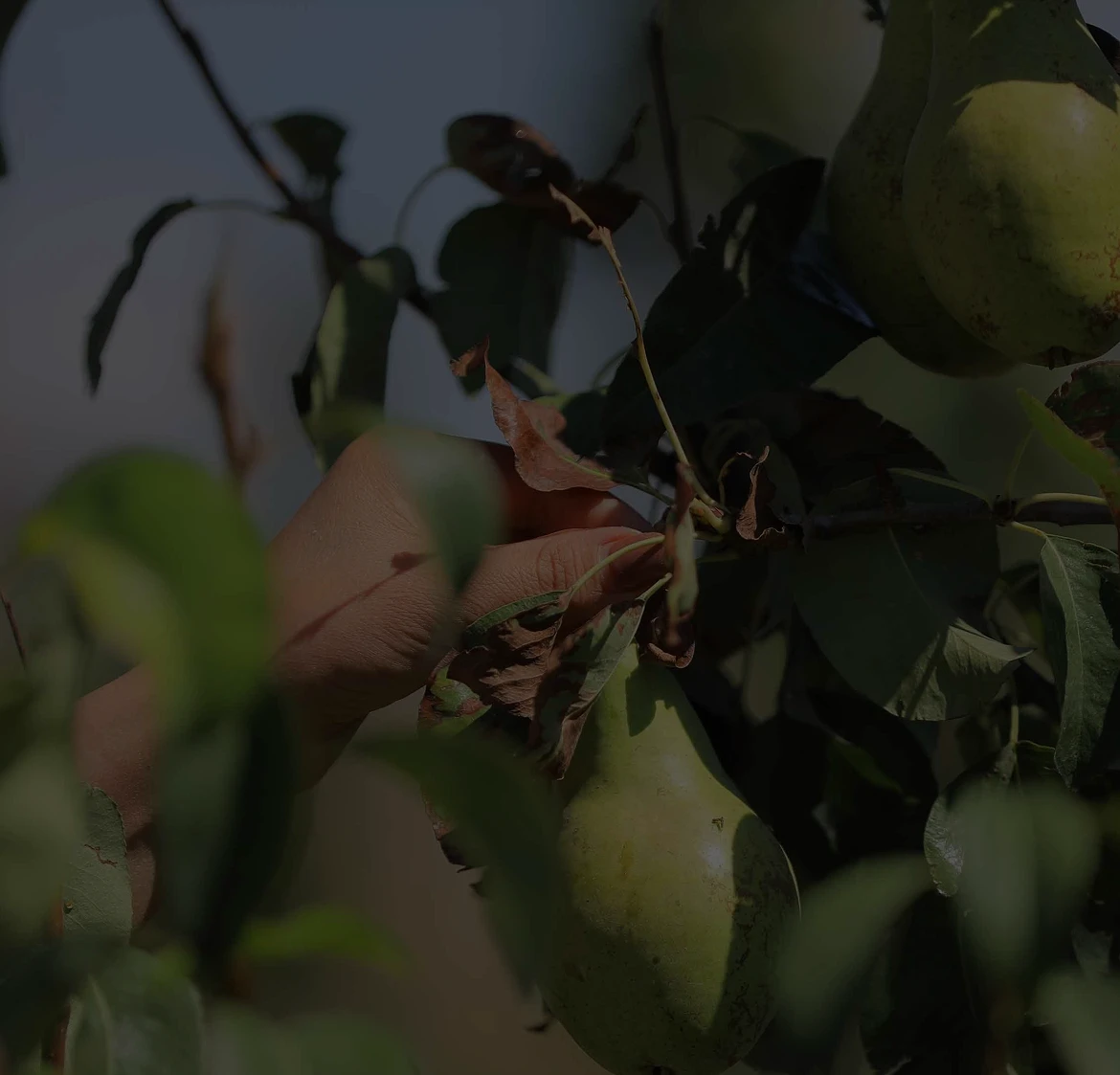
Additionally, pears are a source of carotene, iron, iodine, vitamins PP, C, B1, P, and other beneficial microelements. It's recommended to consume a pear 30-40 minutes following a meal for its numerous health benefits, including aiding in the digestion of heavy foods and improving liver and kidney health and metabolism.
CONFERENCE AND RED CONFERENCE
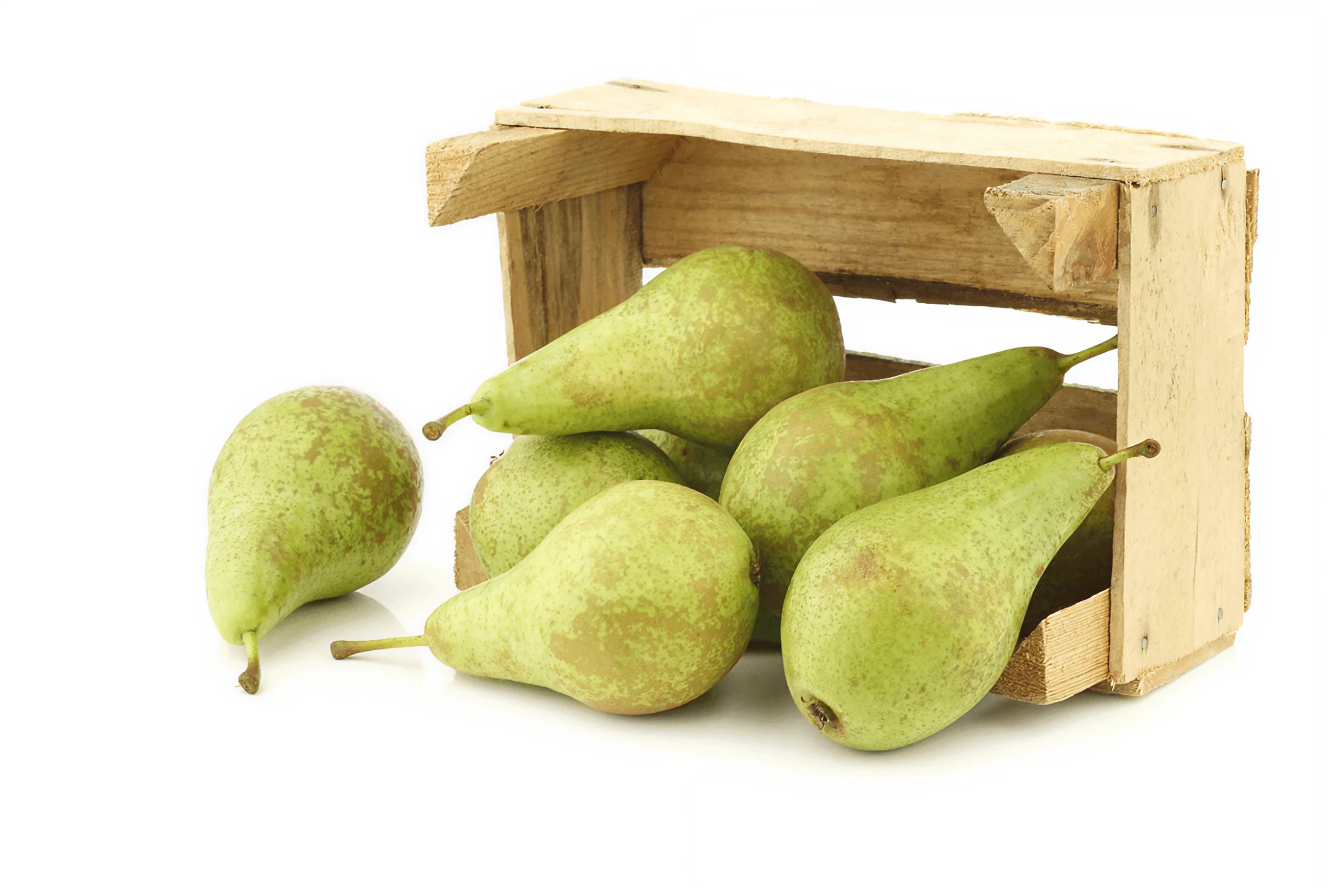
Conference is the most popular and well-distributed pear globally, originating from the United Kingdom. This unique pear variety was the result of selective breeding and gained recognition in 1895 by the British National Conference, from which it took its name.
It has an oblong, conical shape and comes in two varieties: the classic greenish-yellow Conference and the Red Conference, which, as the name suggests, has a reddish hue. Both varieties are known for their generous size.
LUCAS
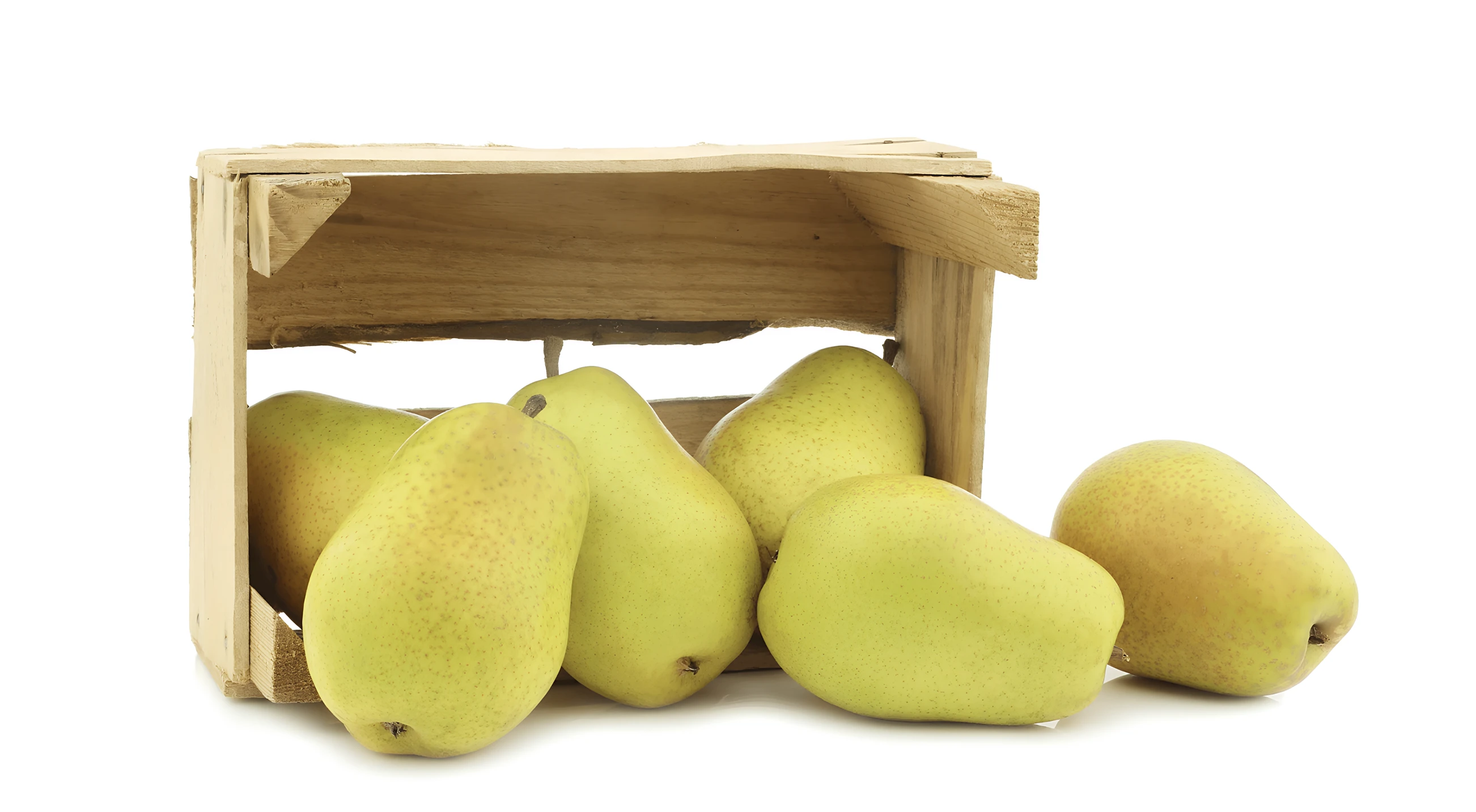
The Lucas pear, named after Polish scientist Alexander Lucas, was introduced in 1874. Renowned for its large fruits and superior taste, it certainly stands out among pear varieties.
Its exterior is mostly greenish-yellow, though it can sometimes exhibit a subtle reddish tint on one side. The Lucas pear is a versatile variety, often used in a myriad of recipes, particularly in baking.
WILLIAMS
The Williams pear, of British heritage, dates back to at least 1770. However, it wasn't until Robert Williams presented this variety to a London-based horticulture society specializing in fruit cultivation that it became widely recognized and hence received its current name.
Fruits are either green or reddish in color. They are quite large. They can weigh about 170-200 grams.

Apple
Indulge in a special apple variety, first imported from West Virginia to Armenia in 1914.

Apricot
This fruit's so uniquely Armenian, that every bite, no matter where you are, instantly transports you to Armenia.


